
Similar Posts
Nutrition, Sex, and Priorities
Don’t get me wrong, you can still buy pre-made food, order food, whatever you like, just be intentional about it and don’t let convenience and value be your first priorities. Put nutritional value first and then pick the most convenient cheapest option you can find. Don’t let advertisement victimize you and save you at the same time. Gain control of your shit! Set your priorities right and find yourself a high-quality lover for lunch time.
How to do alcohol
Sometimes I like to complicate easy things. The answer to "How to do alcohol?" is simple: like the nice human in the picture below, on a horse at the beach and with style. Done!
Okay, okay, alcohol is complicated, and I wish the answer were that simple. In today's video, I try to embrace its full complexity. I present some ideas I consider valuable when thinking what's the role that alcohol should play in your lifestyle. If you like this video or this topic, make sure to check the references below.Functional Fixedness
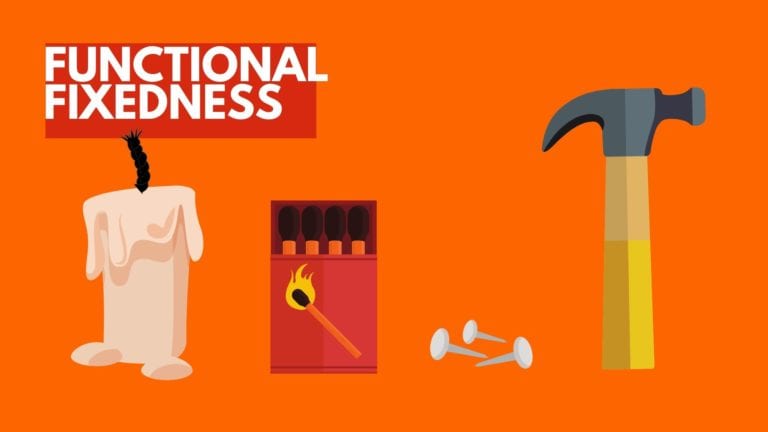
However, because we humans clearly cannot have nice things, the term has been bastardized, oversimplified, and not problematized enough. When Henrick laughs at my suggestion of doing curls, he is just repeating a learned behavior. It is common in the functional world to look at other forms of training and think they are poor, vain, or irrelevant. On the one side, this is how every culture is created, by creating an other to separate from. That’s how we define our existence as a thing. On the other hand, this attitude is the representation of a very bad case of functional fixedness (FF). Think of this as a bad habit of the mind, a way of thinking that hinders more than helps, and that in the case of Henrick will limit his performance and his movement capacity. The purpose of this post is to explain to you what FF is so that you can catch yourself in this trap, and do something about it.
What is a good workout?
People often ask me this question. It sounds like such a simple question, right? It is not. It is as if somebody asked you, "what's the perfect dinner?" Everybody will give you a different answer. If you asked me, I'd tell you a Big Mac with chicken McNuggets and bbq sauce, and most importantly with...
Francy's Rower and Outcome Oriented Mindsets
“How is that working for you?” is a rhetorical tool I use with a lot of my athletes. Whether we are talking about a nutritional habit, a workout strategy, or a marital problem, I have found it to be very productive. This is because it is a grounding experience when one asks it honestly. It prompts the person in front of you to really match what they are trying to get out of their behaviors with reality.
Plateaus are part of the process, Embrace the stuck!
Plateaus are often understood as problems. As stagnation, as if there is something wrong. Plateaus are a fundamental part of the process. Understand this, and you will be able to surpass them.