Similar Posts
What is a good workout?
People often ask me this question. It sounds like such a simple question, right? It is not. It is as if somebody asked you, "what's the perfect dinner?" Everybody will give you a different answer. If you asked me, I'd tell you a Big Mac with chicken McNuggets and bbq sauce, and most importantly with...
What are you getting out of your training?
I love coaching, I love training. I have spent several years of my life in higher education institutions earning various degrees. However it’s in the gym that I have learned the most. Watching people sweat, talking about food, feelings, and the biomechanics of the squat, is where I have seen the most epic battles, and where I have had the biggest impact. I love it. Nonetheless there is one aspect of training/coaching that I have not yet learned how to address very well and that bothers me constantly. This post is an attempt to start changing that.
- Finding What Works for You | Fitness | Fitness as Nutrient Partitioning | Nutrition | Nutrition Science | Smart Practices | The Value of Good Nutrition
Be the horse
If you had worked with me on nutrition or fitness, you most likely have heard me comparing you to a horse or a dog. Some people don't like it. Some look at me with a wtf face. It is simple though. I ask my athlete: "if you wanted to make this hypothetical horse into the fittest horse you could, how would that look? How does that compare to what you are doing to yourself?" It is one of my secret weapons.
The Counting Macro-nutrient Method
Macro counting is one of the most popular methods out there. Here's our take on this method.
- Close the Gap | Coaching | Fitness | Mindset
What I have learned from coaching ... so far
I arrived to coaching after teaching at the college level for fourteen years. I am a voracious learner. I loved (and still do love) universities, and I loved the idea of getting paid to create knowledge and help others learn. However, during all those years in academia, I always felt there was something missing. Despite being surrounded by amazing people, both good students and brilliant colleagues, I always felt lonely. Teaching in a university and academic research are solitary tasks. The whole building -the physical and the institution- is founded on medieval and early modern ideas. Books, authors, and teachers are the main players of the game, and everything revolves around them. It took me years of research to understand that universities by conception are not made for students, universities are made for authors. It was when I started coaching that I understood all this. It was really after spending thousands of hours within the walls of my garage teaching people the basics a human movement literacy that I saw what I felt was missing.
- Fitness | Recovery | Science | Smart Practices | Technology
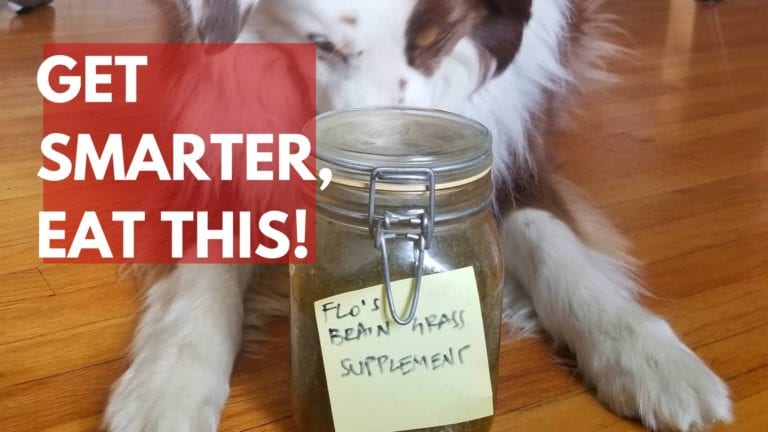
Flo's Brain Grass Supplement
The fitness industry is a behemoth and it is growing with no signs of slowing down. Everyday there’s newer and crazier services that promise better results than everything that has been done before. Check out this underwater training. Or this new nutritional fad that can tell you exactly when to eat according to your circadian rhythm . Even classic old fads like the universal gym machine are coming back in its digital versions. For each macronutrient there is a corresponding diet, and a group of followers. For each type of movement a big believer and a naysayer. The internet does not seem big enough to hold all the new fitness out there.