
Similar Posts
Functional Fixedness
However, because we humans clearly cannot have nice things, the term has been bastardized, oversimplified, and not problematized enough. When Henrick laughs at my suggestion of doing curls, he is just repeating a learned behavior. It is common in the functional world to look at other forms of training and think they are poor, vain, or irrelevant. On the one side, this is how every culture is created, by creating an other to separate from. That’s how we define our existence as a thing. On the other hand, this attitude is the representation of a very bad case of functional fixedness (FF). Think of this as a bad habit of the mind, a way of thinking that hinders more than helps, and that in the case of Henrick will limit his performance and his movement capacity. The purpose of this post is to explain to you what FF is so that you can catch yourself in this trap, and do something about it.
Francy's Rower and Outcome Oriented Mindsets
“How is that working for you?” is a rhetorical tool I use with a lot of my athletes. Whether we are talking about a nutritional habit, a workout strategy, or a marital problem, I have found it to be very productive. This is because it is a grounding experience when one asks it honestly. It prompts the person in front of you to really match what they are trying to get out of their behaviors with reality.
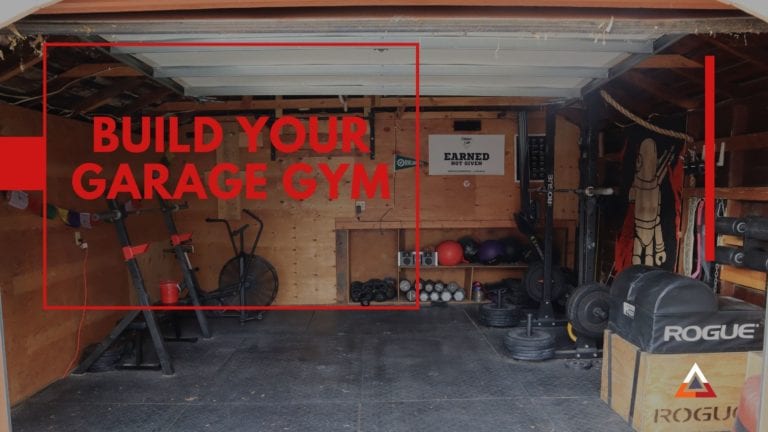
Build your garage gym
I love garage gyms. I consider myself a garage gym person. I believe in home-fitness. I think fitness is most productive when it becomes a personal and regular routine. If you are an avid reader for example, and you consider reading and learning new stuff an essential part of yourself, you can understand what I am saying. I love commercial gyms, I work in one. I understand their value. But I think nobody should need a gym to improve the way they move. It is like libraries: they are fantastic, but you don't need one to read. You should be able to read everywhere.
What the F#@%$ck is Recovery?
So is napping recovery? Is stretching better than rolling? What do you mean I should not be sore. No pain, no gain, dude! Of course I want to sleep better and longer, but then at what time do I work out if I am effing sleeping 8 hours? Should I ice or not? Should I run on my recovery days or should I do yoga? Why is Francine talking to me about floating chambers, and why is Henrick massaging himself weirdly with that percussion drill.
.
Recovery is a weird topic, full of crazy things, and a lot of sci-fi marketing. In other words, what the fuck is recovery?
.
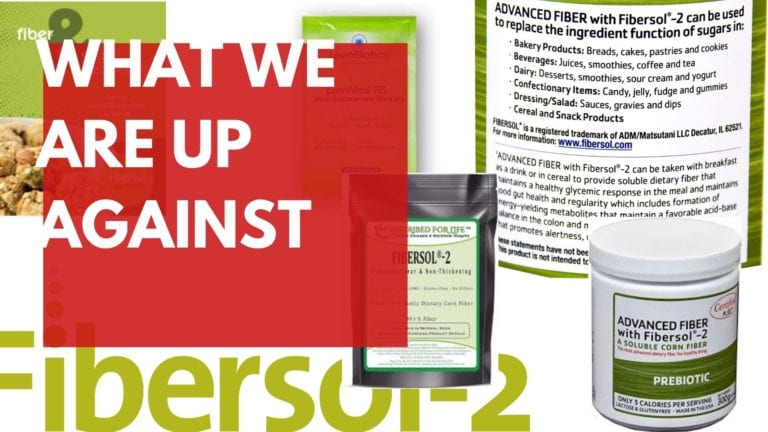
Watch the video to know more about it!What we are up against - Part 1
Let’s start today with a grounding idea: we are fortunate enough to live in an age in which we can actually think about how to optimize our personal nutrition. When I was growing up, everyday I saw people in the streets who did not have enough food--I don’t mean they didn’t have high quality food, they didn’t have any kind of food. Luckily things have changed in most parts of the world. And to be sure, if you are reading this you are just trying to improve your health by tweaking your nutrition. This is a privilege of our times: the great access we have to food, to nutritional information, and to sophisticated metrics.
Handstands and balance in life
What you practice in your training, should have more transfer to life than good looks and bragging rights.