
Similar Posts
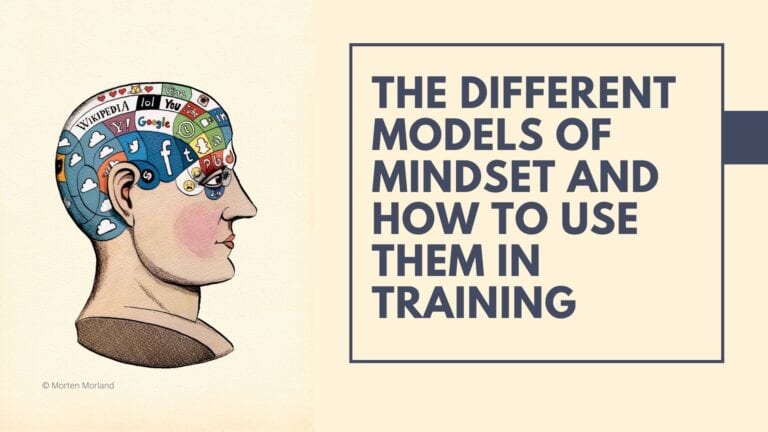
The different models of Mindset and how to apply them to training
Mindset training is one of my favorite coaching experiences. Teaching somebody how to do a muscle-up is deeply satisfying, lowering a marathon time is surprisingly rewarding, improving sleep quality is not valued enough. Helping somebody change their mindset is a different thing. It really connects our shared humanity.
Should I work out day?
Should I workout today? In this video I present you with an easy method to always know if you should workout or not.
Why train?
In the world of fitness it’s common to hear that you should find a “why” for your training. The idea behind this practice is to find an emotional connection to some part of your identity to use as motivation whenever you feel like you want to throw in the towel, or not get out of bed for your morning workout. Although this can be very useful, it is also the source of a plethora of cheesy motivational memes and worse, it comes with the assumption that exercise is inherently good for our health and all we need is more motivation and willpower. This seems like an innocent idea but it is NOT. This way of thinking takes from us the opportunity to question the physiological purpose of our training, and in doing so set us up for failure before we even start, regardless of how many hours of sweat we put in. I believe that this is the kind of “why” we should identify. Let me explain.
Handstands and balance in life
What you practice in your training, should have more transfer to life than good looks and bragging rights.
- Close the Gap | Fitness as Nutrient Partitioning | Mindset | Nutrition | Nutrition as Self-knowledge
F! Weight
eal change is slow and hard. It takes effort, and although it’s incredibly rewarding and edifying, it can be painful and frustrating at times. It can also feel very uncertain: “am I doing the right thing here? Am I headed in the right d
Compassion, Autonomic Nervous Systems, HRV, Stress, Breathing and How to Win in Life
This week's video is very useful. It is about all those things on the title and more. The main goal is to give you a framework and some tools on how to analyze your own behaviors. Understanding compassion as a physiological state and how to better use your fitness trackers is half the point.