
Similar Posts
What are you getting out of your training?
I love coaching, I love training. I have spent several years of my life in higher education institutions earning various degrees. However it’s in the gym that I have learned the most. Watching people sweat, talking about food, feelings, and the biomechanics of the squat, is where I have seen the most epic battles, and where I have had the biggest impact. I love it. Nonetheless there is one aspect of training/coaching that I have not yet learned how to address very well and that bothers me constantly. This post is an attempt to start changing that.
Positive Habits of Mind
You see, Mindset is one of those concepts that has become very popular and because of that, it has lost specificity. It is often vague. On top of that, our ideas around it come from academia, especially from the Psychology departments -although not exclusively. This means that we often look at it from one of two points of view 1) a very superficial one; or 2) a pathological one. The first case is represented in the average daily use. When a person says mindset most of the time they just mean attitude. When Henrick tells me: “Juan I went to that meeting with the right mindset, I was ready to crush it.” That’s not a mindset, it is an attitude. The second case means that we have become very good at identifying mindsets that are unproductive. We have identified general trends and their negative consequences. In other words, we are better at understanding the commonalities among the mindsets of people with poor ones, than among those who have good ones. All together, this means that when it comes to Mindset we need a little bit of a Francine attitude in the world. We need to be positive and specific. Just tell people what to do! This post is for you Francine. Let’s do this.
WHY IS THE ASSAULT BIKE SO HARD? – PART III
The short answer is this: because it is designed to do so. In this video we finish the series understanding the mechanics and physiology of the air bike.
Handstands and balance in life
What you practice in your training, should have more transfer to life than good looks and bragging rights.
The Importance of Warming Up
I think we all understand the importance of the warm up before working out. Most of us have learned it the hard way: that one day when rushed we naively said to ourselves: “the first round will be my warm up”. And that first round sucked, heart rate was through the roof fast, and for the next four rounds you were just trying to survive. Yes, we all know warming up is important, but somehow we all still neglect it. In my experience, this happens because we don’t have any other reason to do it than that we are “supposed to” and anyhow, it often feels harder than the actual workout. The problem with thinking of it this way, is that it makes it a lot easier to say “fuck it, 20 squats will warm me up.”
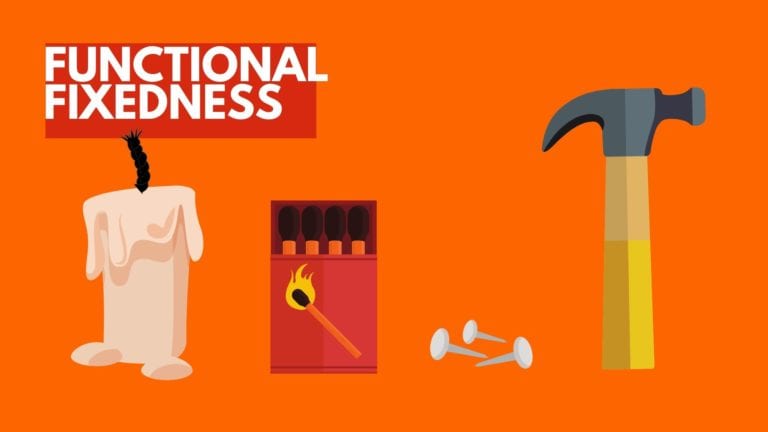
Functional Fixedness
However, because we humans clearly cannot have nice things, the term has been bastardized, oversimplified, and not problematized enough. When Henrick laughs at my suggestion of doing curls, he is just repeating a learned behavior. It is common in the functional world to look at other forms of training and think they are poor, vain, or irrelevant. On the one side, this is how every culture is created, by creating an other to separate from. That’s how we define our existence as a thing. On the other hand, this attitude is the representation of a very bad case of functional fixedness (FF). Think of this as a bad habit of the mind, a way of thinking that hinders more than helps, and that in the case of Henrick will limit his performance and his movement capacity. The purpose of this post is to explain to you what FF is so that you can catch yourself in this trap, and do something about it.