Similar Posts
Study yourself
This story made me realize that when it comes to nutrition it’s not that we cannot see reality, it is that we have NO IDEA. We were never taught how to evaluate whether our eating habits are actually good or not. We have beliefs about nutrition, but we have no way to test those beliefs and, to be honest, most don’t even feel the need to test them. To make things worse, the internet is full of the next best shiny diet: ketogenic, veganism, vegetarianism, low carb, high carb, carnivore diet, paleo diet, whole 30, weight watchers, organic free-range home-schooled turduckens, etc. Combine genuine ignorance with media telling us that there is such a thing as Good Eating that is independent of our genetics, our socio-economic context, our cultural background, and our present state, that there exists a one-size-fits-all nutritional approach that will guarantee you results, and you are clusterfucked, my friend.
- Finding What Works for You | Fitness | Fitness as Nutrient Partitioning | Nutrition | Nutrition Science | Smart Practices | The Value of Good Nutrition
Be the horse
If you had worked with me on nutrition or fitness, you most likely have heard me comparing you to a horse or a dog. Some people don't like it. Some look at me with a wtf face. It is simple though. I ask my athlete: "if you wanted to make this hypothetical horse into the fittest horse you could, how would that look? How does that compare to what you are doing to yourself?" It is one of my secret weapons.
My Bias IN NUTRITION: Mobile Control
In my last post I said that when it came to nutrition stating one’s bias was a token of intellectual honesty I respected. I realized that I have never stated my bias in this blog. I have said it a thousand times when asked by people on what is my approach to nutrition, or when doing food presentations. But I have never given it a good and thorough characterization. Here’s how we fix that. A caveat: this will always be a work in progress. My purpose in life is to always keep learning. And learning will definitely make me question my own assumptions and change my point of view. This means you are just reading version 1.0 of my bias.
Food is Dead
Let me start by saying something controversial: there is no such thing as a “healthy meal,” not really. I guess you could eat a very healthy live animal and that would be a healthy meal. But I don’t see that happening often. Food is not “healthy.” Food is more or less nutritious, food is more or less calorie-dense, and food is more or less tasty. But let’s be real: most of the food we eat is dead or dying. In the best case, the food you eat was alive moments ago, (oysters anyone?) however in most cases your food has passed through several industrial processes that stripped its original glorious biology -think Pop Tarts. This might seem like an annoying linguistic distinction that only a nerd cares about. And it most definitely is, but hey! hold on, there is a useful point to be made: the thing that is healthy or unhealthy is you, not your food. Your health is your responsibility, and yours alone. A snickers bar after lunch is not going to make you unhealthy. But a daily Snickers bar after lunch might. A Snickers bar on Monday and then a Coke on Tuesday, plus those delicious donuts Janice from accounting brought to the meeting on Wednesday (because she does not give a fuck), that bag of chips that somehow made its way down your gullet on Thursday afternoon while you were rushing to meet that deadline, and finally that half of a pizza Friday night, plus the tortilla chips and pork belly tacos you ate after you got drunk on Saturday--all this combined WILL make you unhealthy. Repeated actions are what makes you unhealthy; it is your habitual behaviors that improve or harm your health. But ice cream is not “unhealthy” or “healthy.” As matter of fact, that Saturday ice cream you always have with your kids might be the best habit you have. If that Saturday ice cream is what allows you to eat more nutritious and balanced meals consistently the rest of the week, if it allows you to avoid all that junk that Janice keeps bringing to Wednesday’s meetings and the Friday pizza and beer binge, and if it allows you to spend some quality time with your kids, that Saturday ice cream (despite being full of sugar) is totally making you better and healthier in the long term. Enjoy!
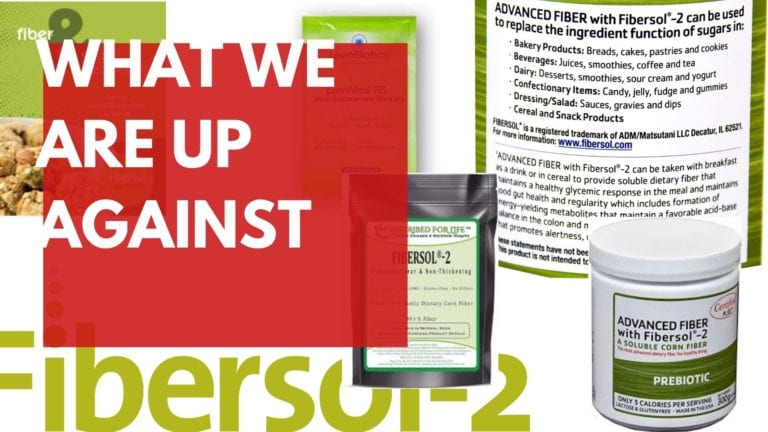
What we are up against - Part 1
Let’s start today with a grounding idea: we are fortunate enough to live in an age in which we can actually think about how to optimize our personal nutrition. When I was growing up, everyday I saw people in the streets who did not have enough food--I don’t mean they didn’t have high quality food, they didn’t have any kind of food. Luckily things have changed in most parts of the world. And to be sure, if you are reading this you are just trying to improve your health by tweaking your nutrition. This is a privilege of our times: the great access we have to food, to nutritional information, and to sophisticated metrics.
The Counting Macro-nutrient Method
Macro counting is one of the most popular methods out there. Here's our take on this method.