Author: Juan Acevedo

PhD. Humanist, Destroyer of Negative Narratives, Constructor of Positive Change. I specialize in aligning the mindset, fitness, and nutrition habits of my clients. Superpower: awesome learner. Founder of SELFMASTERY.
  • | | | |

    The 15-minute lunch break

    Often the most laborious work is the most neglected and underestimated. When it comes to nutrition, my experience tells me that most of us focus on the things that we have little or none control over. We fool ourselves thinking we can eat a given number of grams of carbohydrates, or the total number of calories, or a specific window of time. Yet, the things that are entirely under our control, like how we eat and how much attention we pay to the actual act of eating, we neglect. The video this week presents a simple idea, if you want to call it a hack so that it sounds sexier, go ahead. It is an excellent complement to the blog post from two weeks ago. It also contains all the right numbers and science behind it.

  • | |

    Food and Flow

    Let's talk food today! In my years of helping people change their eating habits, I have learned so much about human behavior. Nothing really comes close to it. Running and Olympic lifting are fantastic, don't get me wrong, but changing the way we eat is another beast. One of the most exciting things I have learned is that switching the attention to why and how to eat often solves the problem of what to eat. This is a very counter-culture concept, I know. We are always worried about meal-plans, macro-nutrients, keto, paleo, no diary, supplements, and whatnot. However, we never stop to consider our eating habits from a more significant and more meaningful perspective. I get it. Our lives are busy, thinking is hard --I am not being sarcastic, and having a critical approach to our behavioral habits, it is exhausting.

  • | | |

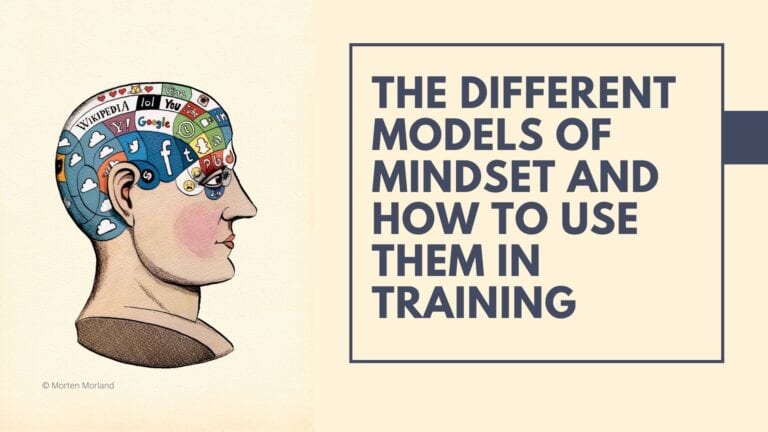
    The different models of Mindset and how to apply them to training

    Mindset training is one of my favorite coaching experiences. Teaching somebody how to do a muscle-up is deeply satisfying, lowering a marathon time is surprisingly rewarding, improving sleep quality is not valued enough. Helping somebody change their mindset is a different thing. It really connects our shared humanity.

  • | | | | | |

    Banzo's sword and metric fixations

    Are you a victim of your metrics? Are you constantly trying to better your metrics, just to feel frustrated and unaccomplished? I have been there, it is awful. In this post I present to you a set of principles that will help you use metrics to serve you and not the other way around.

  • | | |

    Refreshing or weary? Diet sodas, ditch them, or drink them?

    To diet soda or regular soda ... or not soda? I get the question regarding non-caloric sweetened drinks a lot. It is a good showcase of the standard nutritional problem we face nowadays. It has all the elements that make this kind of discussion entrenched and complicated: cultural beliefs of what we should or not consume, product marketing, incomplete science, and the fact that Coke is delicious. Like everything else, there is not one straightforward answer. However, in this video, I give you my view on the topic. You should come out of it with some ideas on how to decide for yourself.

  • | | |

    How literate are you?

    Because of this digital illiteracy (that we are not fully aware of) we find ourselves in a world of confusion and tribalism today. This is true in the world of politics, and it is true in the world of fitness, nutrition, and mindset. My objective with this post is to give you an overview of two common mistakes the digital reader makes, as well as a tool you can use to evaluate the quality of the information you are reading. Let’s start with the suck.

  • | |

    How hard to push?

    This is a beefy video. I think it is fantastic. Rocky is in it, the world's strongest woman is in it, my cat Marta is in it. All the basics for awesomeness are covered. I receive the question of how hard to push often. The answer is not easy, and so it required some work. My objective is that you come out of it with a clear understanding of how to answer this question for yourself and your training.

  • | |

    Positive Habits of Mind

    You see, Mindset is one of those concepts that has become very popular and because of that, it has lost specificity. It is often vague. On top of that, our ideas around it come from academia, especially from the Psychology departments -although not exclusively. This means that we often look at it from one of two points of view 1) a very superficial one; or 2) a pathological one. The first case is represented in the average daily use. When a person says mindset most of the time they just mean attitude. When Henrick tells me: “Juan I went to that meeting with the right mindset, I was ready to crush it.” That’s not a mindset, it is an attitude. The second case means that we have become very good at identifying mindsets that are unproductive. We have identified general trends and their negative consequences. In other words, we are better at understanding the commonalities among the mindsets of people with poor ones, than among those who have good ones. All together, this means that when it comes to Mindset we need a little bit of a Francine attitude in the world. We need to be positive and specific. Just tell people what to do! This post is for you Francine. Let’s do this.

  • | | |

    What the F#@%$ck is Recovery?

    So is napping recovery? Is stretching better than rolling? What do you mean I should not be sore. No pain, no gain, dude! Of course I want to sleep better and longer, but then at what time do I work out if I am effing sleeping 8 hours? Should I ice or not? Should I run on my recovery days or should I do yoga? Why is Francine talking to me about floating chambers, and why is Henrick massaging himself weirdly with that percussion drill.
    .
    Recovery is a weird topic, full of crazy things, and a lot of sci-fi marketing. In other words, what the fuck is recovery?
    .
    Watch the video to know more about it!

  • | |

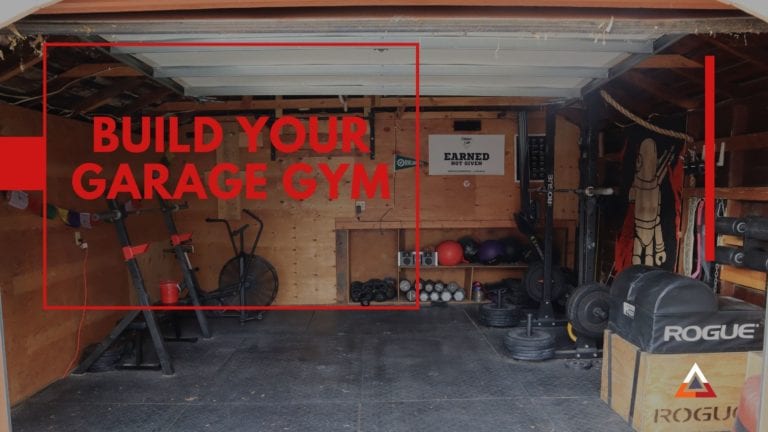
    Build your garage gym

    I love garage gyms. I consider myself a garage gym person. I believe in home-fitness. I think fitness is most productive when it becomes a personal and regular routine. If you are an avid reader for example, and you consider reading and learning new stuff an essential part of yourself, you can understand what I am saying. I love commercial gyms, I work in one. I understand their value. But I think nobody should need a gym to improve the way they move. It is like libraries: they are fantastic, but you don't need one to read. You should be able to read everywhere.